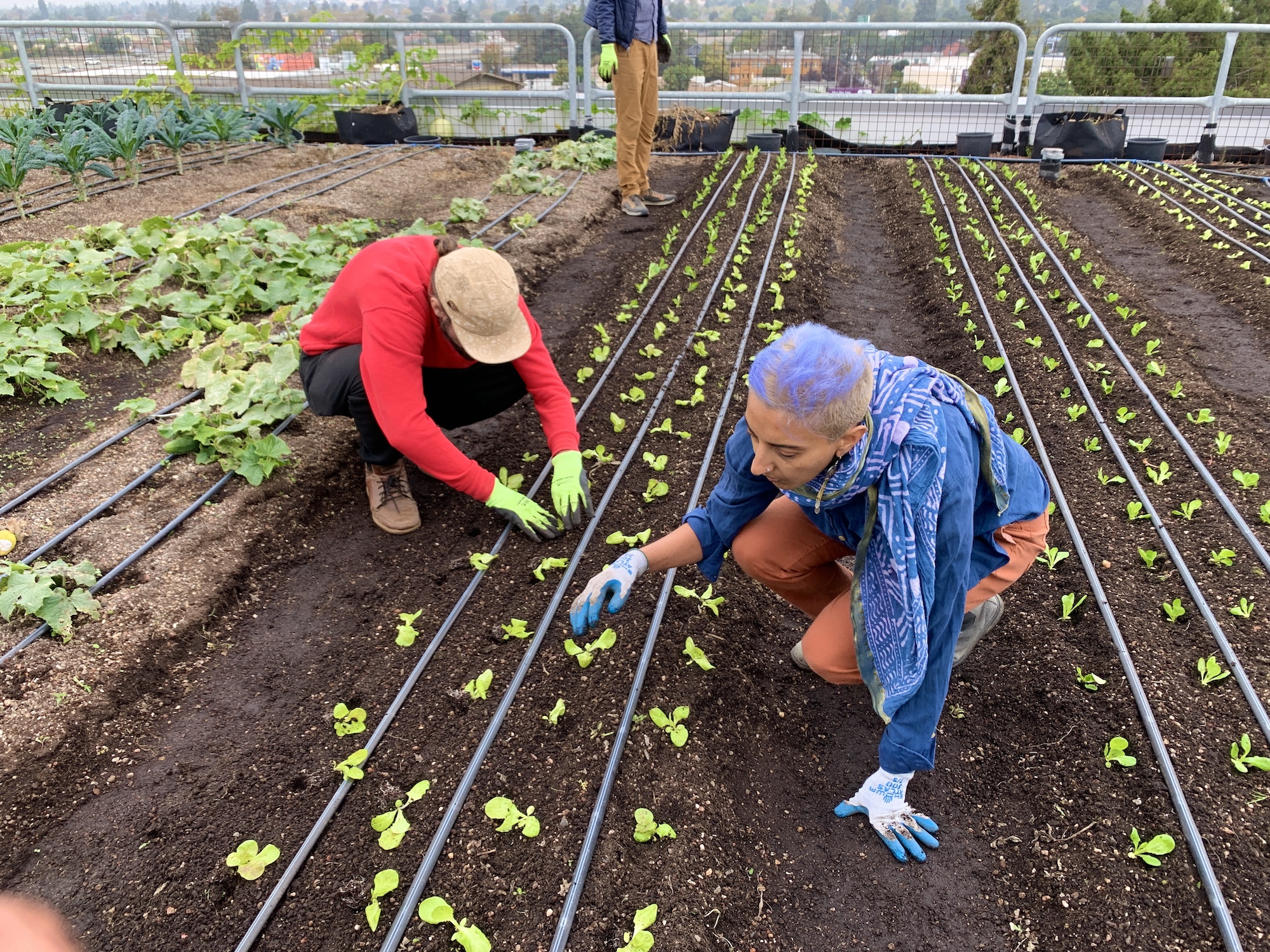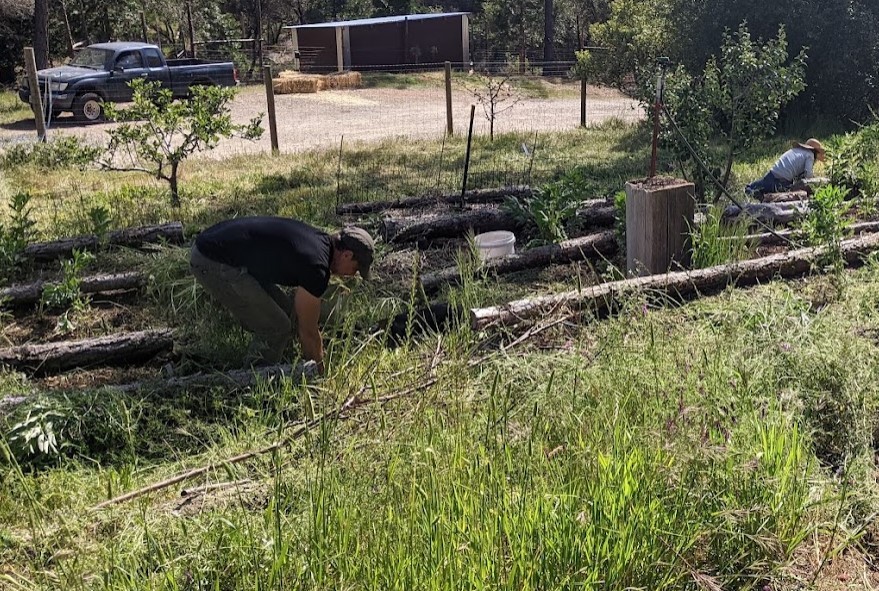
What if your neighborhood could take care of itself? An East Bay experiment in local resilience
We're launching a bioregional resilience network in the East Bay and we're looking for the people and organizations who want to help build it from the ground up.
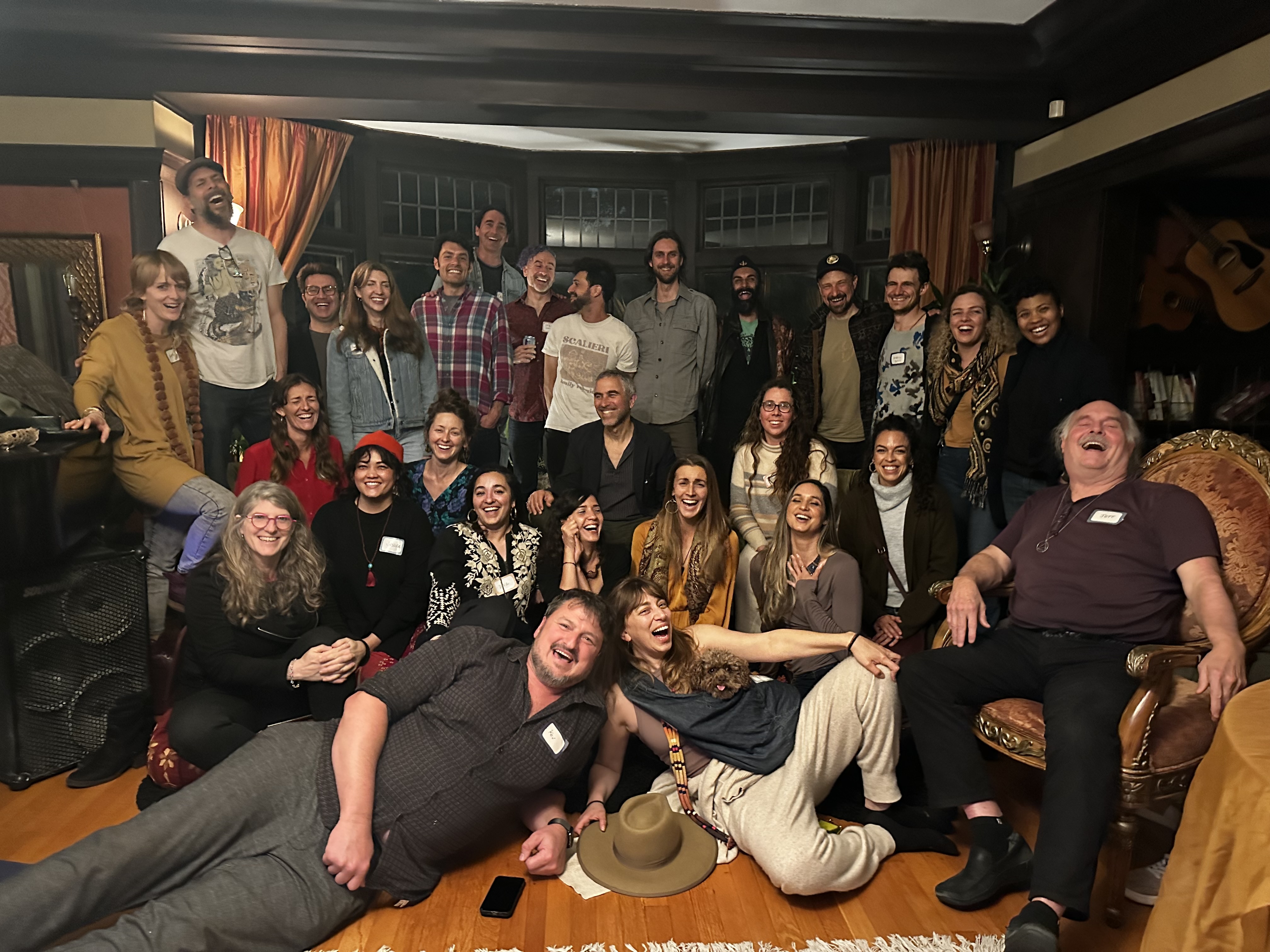
We’re launching a bioregional resilience network in the East Bay of the California Bay Area and we’re looking for the people and organizations who want to help build it from the ground up.
It’s a time when we’re all realizing that institutions we’ve relied on in the past are not going to magically solve the polycrisis, making biodiversity collapse, global warming, or melting ice sheets disappear like a bad dream.
The people who are going to stand up and lead us to a flourishing future where humans live in balance with Earth’s ecosystems? It’s us! Down to each little water catchment, the call is to organize with our neighbors to care for the land we share. Across property lines, county lines, and political lines, because wildfires don’t care who you voted for.
We believe the antidote to climate vulnerability is relationship, trust, and coordination.
That’s why we’re launching a living experiment in the East Bay: a bioregional-scale resilience network, built on Hylo, designed to help communities share resources, build trust across neighborhoods and organizations, and activate mutual aid before and during the moments when it matters most.
What we’re building
Over the next year, we’ll work with a small group of founding anchor organizations to stand up a coordination layer that connects people, resources, and knowledge across the bioregion. We’re reaching out to groups that are already leading resilience work in the East Bay, so that we’re building on that great work rather than wasting time duplicating what’s already working well. Our ideal partners have a strong community network and a willingness to experiment.
In Year 1, we’ll:
- Recruit 3–5 founding anchor organizations and train compensated community stewards from within their networks
- Launch Hylo’s expanded mutual aid tools. Beyond the current Requests and Offers, we’re planning to add resource exchanges, tool libraries, and later on, AI-assisted matching (only activated by community consent)
- Run in-person skill-shares, neighborhood events, and community outreach to activate the network
- Practice participatory governance from day one: community members shape decisions about how the network runs
- Measure what matters: resource exchange volume, trust and cohesion, preparedness, and how the network responds when a real stress event hits
By Year 3, we want this model to be documented clearly enough that any other community could pick it up and run it in their own bioregion.
Who we’re looking for
This pilot works because of the people who show up for it. We’re looking for three kinds of participants:
Anchor organizations Groups already leading resilience, food systems work, mutual aid, or community organizing in the East Bay who want to deepen their connections to other local orgs and invite their communities in.
Community stewards Paid, part-time roles recruited from within anchor communities. Stewards host events, support neighbors in using the platform, and hold the relational fabric of the network together.
Community members Anyone in the East Bay who wants to share what they have, find what they need, and be part of a neighborhood that looks out for itself.
Why now, why here
We know that it’s only a matter of time before the next big supply chain disruption or “natural” disaster. One thing we’ve learned is that the best time for building the trust and systems that make mutual aid actually work is before the emergency, not during it.
The East Bay is one of the most organizationally rich, relationally dense, ecologically at-risk regions in California. Most importantly, it’s where Hylo has its roots, and each member of the Hylo team has lived in the Bay and grown a network here. This is our life-place.
And we’re not starting from scratch. Hylo already powers over 150 active community groups globally, including networks that have used our participatory tools to collectively distribute hundreds of thousands of dollars in resources. The East Bay pilot is where we take that infrastructure and build something rooted, local, and alive.
What we hope to learn
Our overall goal is to make tangible, quantifiable gains in local climate resilience, supported by Hylo. We’ll look at metrics such as number of documented mutual aid exchanges, and the rate at which aid recipients become aid providers over time. We’ll survey participants to understand changes in social cohesion, like number of new relationships or collaborations, feelings of trust in the network, and sentiments around disaster preparedness and ability to have one’s needs met locally.
A secondary goal is to gain insight into what could make a local network self-sustaining. We’re all too aware of the effort that goes into community organizing, care work that is so often unpaid and unacknowledged. We’ll explore ways to collectively resource the stewards who step forward to care for this network, and hopefully develop a replicable model that can be used to support bioregional communities anywhere.
Get involved
Ready to participate — as an anchor org, a potential steward, or just a neighbor who wants to be part of this? Join the Bay Delta Bioregion group on Hylo to stay connected, meet others who are building this with us, and find out how to plug in.